

Ewuro Ijebu (Ewuro Igbo / Ewuro Ogun): The Wild Medicinal Bitter Leaf
Some Yoruba herbs are not popular.
Not widely known but powerful.
Ewuro Ijebu is one of those herbs.
Many traditional practitioners describe it as:
than the common ewe ewuro found around homes.
Some people call it:
The name:
“ewuro ogun”
literally suggests:
bitter leaf associated strongly with medicine.
This is one reason many people use the name when trying to distinguish it from the common cultivated bitter leaf often used around homes.
Unlike ewe ewuro commonly grown close to people, ewuro igbo is traditionally associated with:
Many elders believe the plant works faster in traditional mixtures because it grows naturally in the wild rather than under cultivation.
Even though ewuro ijebu and the common ewe ewuro are often used for similar traditional purposes, many practitioners still regard the forest form as:
more stronger and more active.
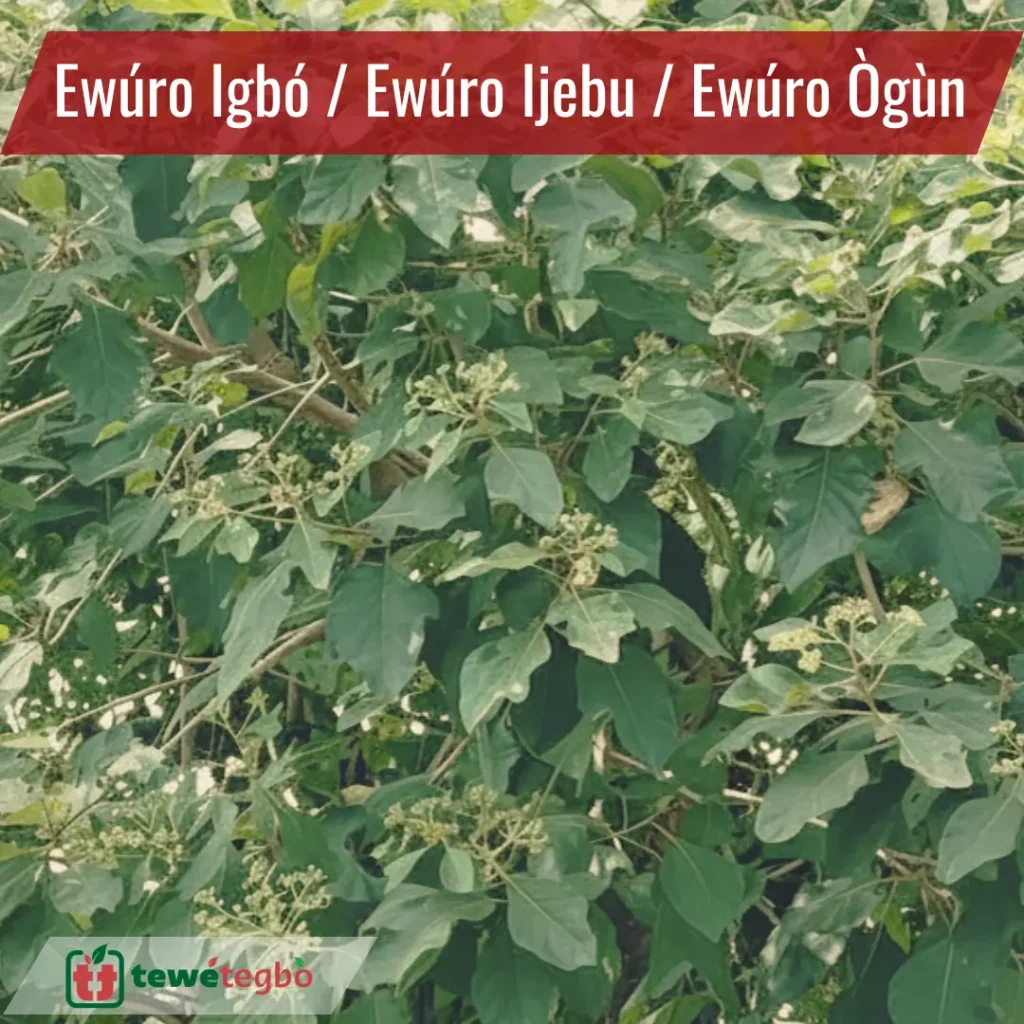
How Ewuro Ijebu Is Traditionally Used
Although ewuro igbo is often regarded as stronger than the common ewe ewuro, many traditional practitioners still use both plants for similar purposes.
The difference is usually believed to be:
strongness.
Many elders describe ewuro igbo as:
than the common cultivated ewe ewuro found around homes.
Because of this, some practitioners believe it acts faster and more strongly inside herbal preparations.
Ewuro igbo is commonly associated with:
Because of its strong bitterness, ewuro igbo is less commonly associated with everyday cooking compared to the common cultivated ewe ewuro.
Instead, it is more strongly connected with:
In some traditional practices, practitioners may even combine:
when preparing stronger herbal mixtures.
Why Many Traditional Practitioners Consider Ewuro Ijebu Stronger
One of the most common things many elders say about ewuro ijebu is this:
“It works stronger than the home-grown bitter leaf.”
This belief is very common among traditional practitioners.
One reason often given is simple:
it grows naturally in the wild.
Unlike cultivated bitter leaf commonly planted around homes, ewuro igbo grows without deliberate human care.
Because of this, many elders believe the plant develops:
In some places, this stronger medicinal reputation is exactly why people call it:
ewuro ogun
“medicinal bitter leaf.”
Not because the common ewe ewuro is useless…
but because it is traditionally viewed as:
the more stronger version.
Should Ewuro Ijebu Be Used Carelessly?
Many traditional practitioners regard ewuro igbo as a stronger and more active form of ewuro.
Because of this, elders often approached it with more caution than the common cultivated bitter leaf found around homes.
That does not mean ewuro igbo is dangerous.
And it does not mean the plant is bad.
In Yoruba herbal understanding, the issue is often not the herb itself, but:
Even pepper is natural.
But if someone consumes pepper carelessly or excessively, the body may still react badly.
Traditional practitioners applied similar thinking to strong herbs.
Since ewuro igbo is widely believed to be:
many herbal practitioners prefer to use it with:
This is one reason ewuro igbo is more commonly associated with:
rather than ordinary everyday use.
For a broader discussion about herbal safety and traditional herbal mixtures, read:
Is Agbo Safe? What You Should Know Before Taking Herbal Mixtures
More Than Just Another Type of Ewuro
To many traditional practitioners, ewuro ijebu is not viewed as completely different from the common ewe ewuro.
The two plants are often used for similar traditional purposes.
But over time, ewuro igbo developed a reputation of its own.
Many elders came to see it as:
This is one reason names like:
became attached to it in different places.
Even today, some herbal practitioners still deliberately look for the forest type when preparing stronger traditional herbal mixtures.
Not necessarily because the common ewe ewuro is weak…
but because many believe:
wild herbs carry a different kind of strength.
Chat me Now on WhatsApp about Ewuro Ijebu
Not sure if Ewuro Ijebu will work for you?
Send me a WhatsApp message now, I’ll guide you.
Let me reconnect you to the nature’s pharmacy.