Ewe Eyin Olobe – Iwulo Ewe Eyin Olobe
If you have ever heard the Yoruba saying:
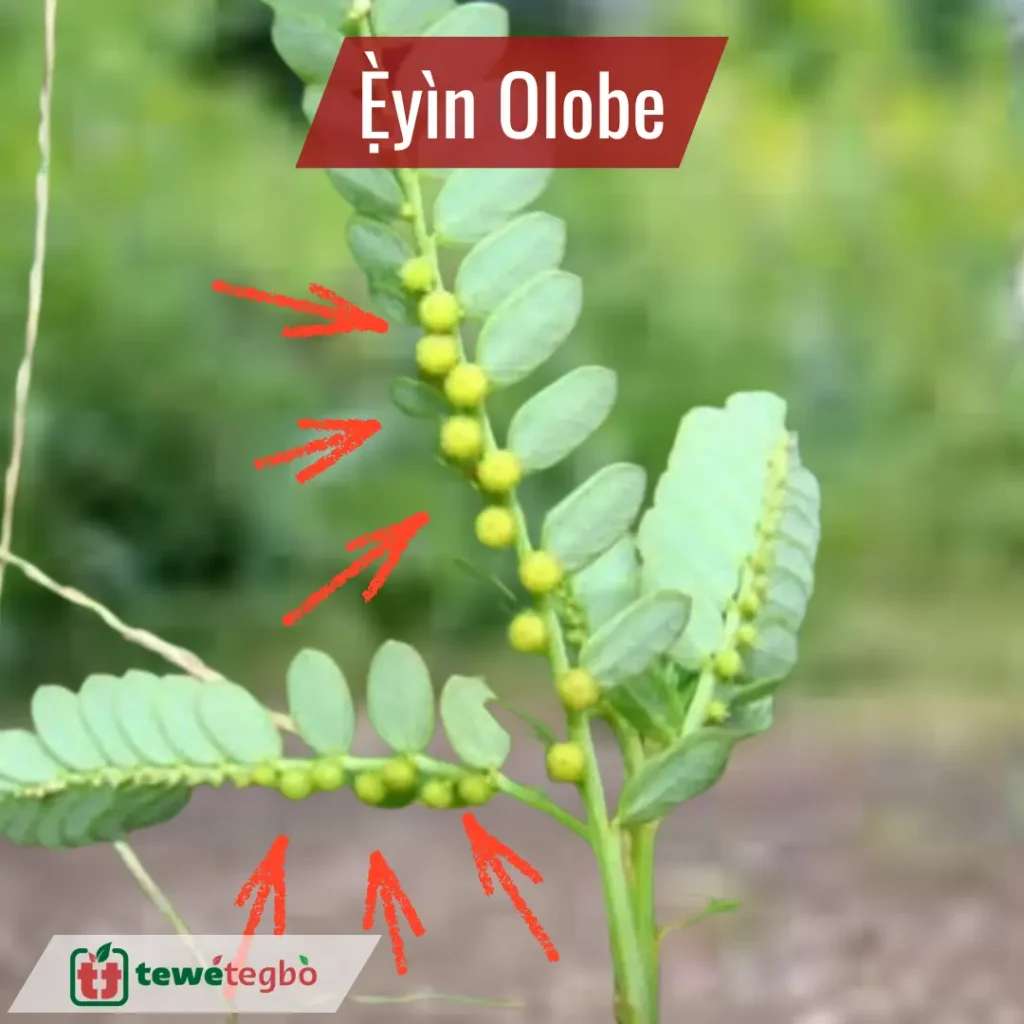
“L’ẹyin l’ẹyin ni olobe ń so” (olobe grows its seeds behind the leaves)
…then you already understand how this plant got its name.
Ewe eyin olobe is one of the most respected herbs in Yoruba traditional medicine.
It is small, often overlooked as a weed, yet widely used for serious internal conditions, especially those affecting organs inside the body.
In Yoruba herbal practice, many of the small ground plants (balẹ̀rẹ̀) are believed to work well for stomach and internal issues.
No hyping…
When talking of all leaves in the class of ground leaves (balẹ̀rẹ̀),
I would rank ewe eyin olobe among the top 3.
To understand why I said that, I will show you what this leaf does…
and we’ll also look at:
What Is Ewe Eyin Olobe? (English Name & Other Names)
Ewe eyin olobe is the Yoruba name for a small medicinal plant known scientifically as Phyllanthus amarus.
In English, it is commonly called:
These names come from how the plant grows.
Its tiny seeds are found under the leaves, not on top.
This is exactly what the Yoruba name means:
“Ẹyin ni olobe ń sọ” (the plant carries its seeds behind.)
Because of this, it is also known locally as:
This plant is not only found in Yoruba land. Different tribes and cultures also know and use it:
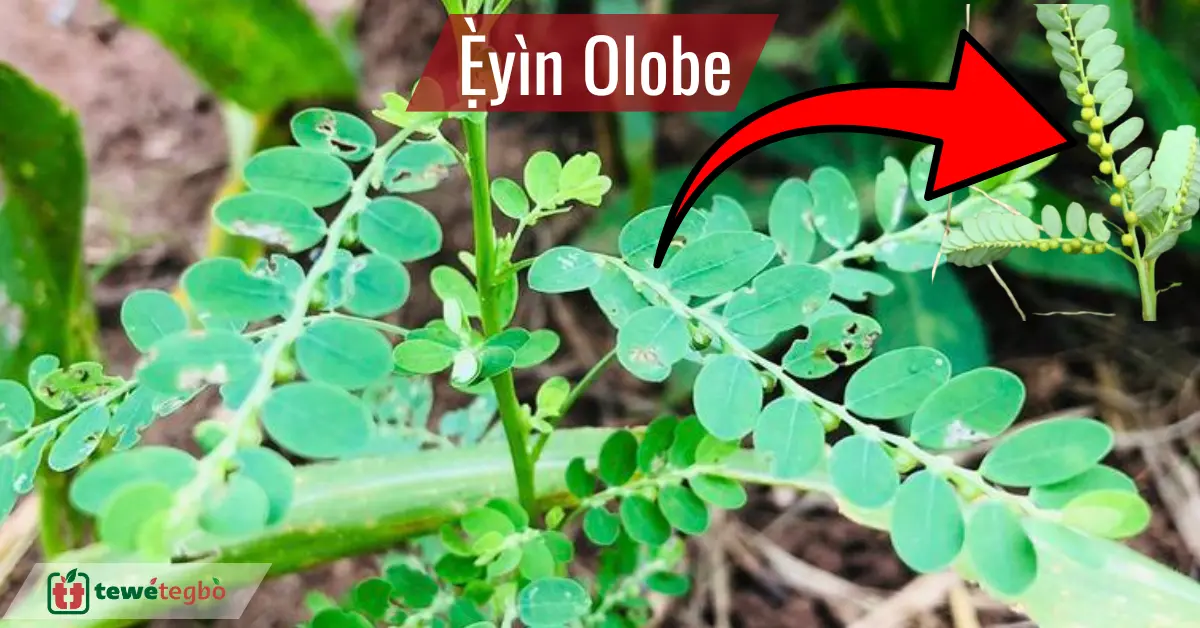
Ewe Eyin Olobe Picture
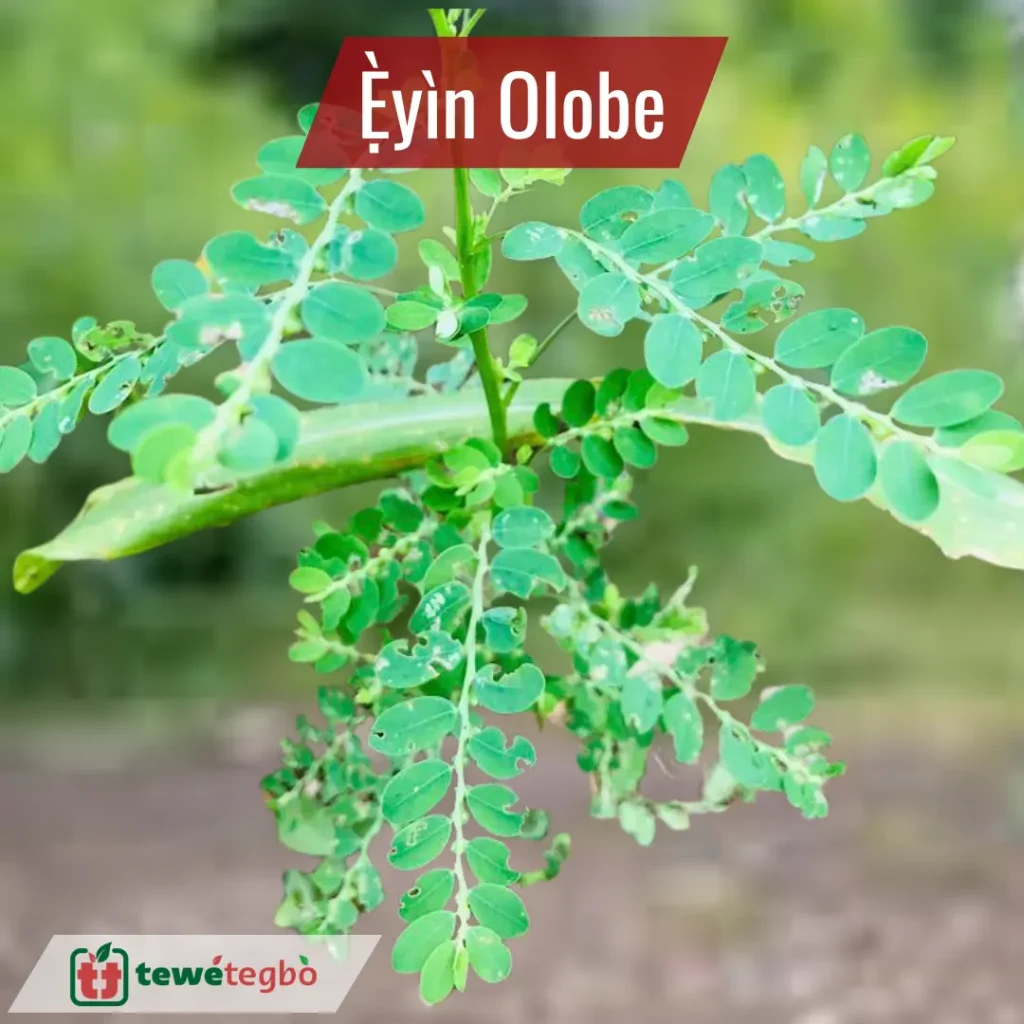
Ewe eyin olobe is a small herb that typically grows between 50–70 cm tall.
Because of this, it belongs to the bálẹ̀rẹ́ (ground plants) group in the Yoruba plant classification.
You can identify it by:
In Nigeria, it often grows naturally:
Many people see it every day without knowing what it is.
That is why I have again put it in video for you below.
Uses of Ewe Eyin Olobe (Highlight)
In Yoruba practice, this herb is not used randomly.
It is mainly used for internal organs, especially within the abdomen.
The three major traditional uses are:
- Kidney stones
- Liver conditions
- Internal growths and serious illnesses
This focus on internal systems is consistent across different traditional practices.
Health Benefits of Ewe Eyin Olobe
Ewe eyin olobe (Phyllanthus amarus) is not just any leaf in Yoruba herbal practice.
It is one of the key plants used for internal cleansing, especially for problems that affect organs inside the body.
Below is how it is traditionally used and understood.
1. Kidney Stones (Why It Is Called “Stone Breaker”)
This is the most popular use.
People use ewe eyin olobe to:
This is why many cultures call it “stone breaker.”
2. Liver Problems (Including Jaundice)
Ewe eyin olobe is one of the important herbs used for liver-related problems.
It is commonly used for:
In traditional understanding, the liver is what cleans the blood.
So when the liver is not working well, many other problems can start.
This leaf is used to help restore balance.
3. Hepatitis B & Serious Liver Infections
In Yoruba herbal practice, ewe eyin olobe is one of the major plants used for Hepatitis B.
It is often included in herbal mixtures meant to:
Important:
This does not mean it is a guaranteed cure,
but it is widely respected for this purpose.
4. Internal Infections (Typhoid & Others)
This leaf is also used when the problem is inside the body, such as:
That is why elders don’t just use it for surface issues.
It is seen as a deep-working herb.
5. High Blood Sugar (Diabetes)
Ewe eyin olobe is sometimes used to help people with:
It is usually taken as a tea to help balance the system.
6. Urine Problems & Body Cleansing
Another common use is for urine and body cleansing.
It helps to:
This is why it is used for:
7. Strengthening the Body from Within
Beyond specific illnesses, ewe eyin olobe is also used as a supporting herb.
It helps:
In simple terms, it is not just for treatment,
it is also for restoring strength inside the body.
Why Ewe Eyin Olobe Is Considered One of the Top Herbs
In Yoruba herbal practice, not all plants are treated the same.
Some are used for simple issues.
Others are reserved for more serious internal problems.
Ewe eyin olobe (Phyllanthus amarus) belongs to that second group.
One major reason for this is its strong association with liver health.
Among the Yoruba herbal experts, it is widely known as one of the key leaves used when dealing with:
And this is important.
Because in traditional understanding, the liver is not just another organ.
It is the body’s main “cleaning system.”
When the liver is not working well:
This is why you will often see that when someone has ongoing health issues, the focus is first placed on correcting the liver.
So a leaf like ewe eyin olobe is not valued only for one condition.
It is valued because it works at a deeper level, where many problems begin.
That is why many experienced herbal practitioners rank it among the top herbs for internal cleansing and organ support.
Methods of Using Ewe Eyin Olobe
In Yoruba herbal practice, ewe eyin olobe (Phyllanthus amarus) is not used in just one way.
The method used depends on:
Below are the most common traditional methods.
1. Boiling (Decoction) — The Most Common Method
This is the method used most often.
The whole plant (leaf, stem, and sometimes root) is:
This method is preferred because it brings out the full strength of the plant.
It is commonly used for:
2. Squeezing (Fresh Juice Method)
Fresh leaves can be:
The juice is then taken directly.
This method is used when:
3. Drying and Grinding (Powder Form)
The plant can be:
The powder may then be:
This method is useful for:
4. Eating Raw (Less Common)
In some cases, the fresh leaves are:
This is less common because of the strong bitter taste,
but it is sometimes used for quick internal cleansing.
Ewe Eyin Olobe and 7UP?
Some people mix it with soft drinks to reduce the bitterness.
This is a personal choice.
However:
Plain water is always the better option.
How to Prepare Ewe Eyin Olobe (Step-by-Step)
To get the full effect of ewe eyin olobe (Phyllanthus amarus), preparation should be done properly.
1. Pick fresh plants
Use about 3 full bunches of the plant, like what you can gather with your fingers each time you pluck it from the ground.
Altogether, it should be enough to fill your palm 3 times when loosely held.
2. Wash thoroughly
Rinse well to remove sand, dirt, or anything unwanted.
3. Cut and bruise lightly
Cut into smaller pieces and press or crush slightly.
4. Boil in clean water
Put everything into a pot and add about 4 cups of water.
5. Allow it to reduce
Boil gently until the water reduces to about half (around 3 cups of water).
6. Cool and sieve
Take it off the fire, allow it to cool, then sieve out the liquid.
Store in a clean container and keep in a cool place.
How to Take Eyin Olobe
If the bitterness is too much:
Avoid adding sugar.
Spiritual Uses of Ewe Eyin Olobe
In Yoruba herbal practice, not every plant has a clearly defined spiritual use.
For ewe eyin olobe (Phyllanthus amarus), its strength is mainly recognised on the physical side, especially for internal cleansing and organ support.
There is no widely established or consistent traditional use of this leaf for spiritual purposes among experienced practitioners.
You may come across claims online that it is used for:
However, these claims are not commonly recognised in standard Yoruba herbal practice and are not supported by clear traditional evidence.
In general, spiritual herbal work in Yoruba tradition is highly specific and guided by deep knowledge, not random mixing of plants.
So while different practitioners may have their own methods, it is important to understand that:
Not every herb is meant for spiritual use
And ewe eyin olobe is primarily valued for its physical healing role
Who Should Be Careful With Ewe Eyin Olobe?
General Rule of Use
In Yoruba herbal practice, ewe eyin olobe (Phyllanthus amarus) is not taken continuously without control.
It is usually used in defined periods, not forever.
A common approach is:
This is important because:
In simple terms:
Herbs are meant to be used with control, not abused.
Side Effects of Ewe Eyin Olobe
Ewe eyin olobe is a strong herb.
And in Yoruba herbal practice, strong herbs are not taken carelessly.
When used properly, it can support the body.
But when used wrongly, too much, too often, or without guidance, it can cause problems.
That is why it must always be used with:
In simple terms:
The same herb that helps can also harm if misused.
Frequently Asked Questions About Ewe Eyin Olobe
What is ewe eyin olobe in English?
Stone Breaker or Seed-under-leaf. Botanical name: Phyllanthus amarus.
What is “ewe eyin olobe so”?
It refers to the same plant, based on how its seeds grow under the leaves.
What is eyin olobe used for?
Mainly kidney stones, liver problems, and internal health support.
What is ewe eyin olobe in Hausa?
It is called Geeron-Tsuntsaayee, which means “bird’s millet.”
Can ewe eyin olobe remove kidney stones?
It is traditionally used for this and science supports the mechanism
Before You Use This Herb
Ewe eyin olobe (Phyllanthus amarus) is a small plant, often ignored as a weed.
But in Yoruba herbal practice, it is not seen as ordinary.
It is valued because it works on what is hidden inside the body,
kidney stones, liver problems, and other internal issues.
The elders who named it understood this clearly.
That is why they focused not just on how it looks,
but on what it does inside the body.
Today, more people are beginning to understand what traditional practice has long recognised.
But one thing remains important:
Because a strong herb is not just powerful,
it must also be handled with understanding.
Chat me Now on WhatsApp about Eyin Olobe
Not sure if Eyin Olobe will work for you?
Send me a WhatsApp message now, I’ll guide you.
Let me reconnect you to the nature’s pharmacy.