Ewe Ogbo – Iwulo Ewe Ogbo Fun Iwosan
Ewe Ogbo (sometimes mistakenly typed as ‘Ewe Ogbon’) is highly respected, not just for its powerful healing qualities but for its unique “responsiveness.” It belongs to the family of Ewe Itakun (creeping or climbing herbs).
Ewe Ogbo is known as a “center herb.” This means it can be directed to serve different purposes depending on what you pair it with. While it’s powerful on its own, its specific effect is guided by the other herbs or ingredients you use with it
This ability of Ewe Ogbo to adjust is exactly why the elders say: “O’un ti a ba wí fún Ọgbọ́ ni Ọgbọ́ n gbọ́,” literally meaning that this leaf “hears” and carries out whatever intention or medicinal purpose you set for it.
Whether you are looking to support blood vitality in the traditional sense, improve sleep, or protect internal organs, understanding how to “speak” to this herb through proper preparation is the secret to unlocking its full potential.
From this moment, you will no longer just hear the name (ewe ogbo) as I will now show you:
Now, lets move on…
How to Recognize Ewe Ogbo — with Photo and Video
Watch this short clip and listen to the pronunciation of ewe ogbo
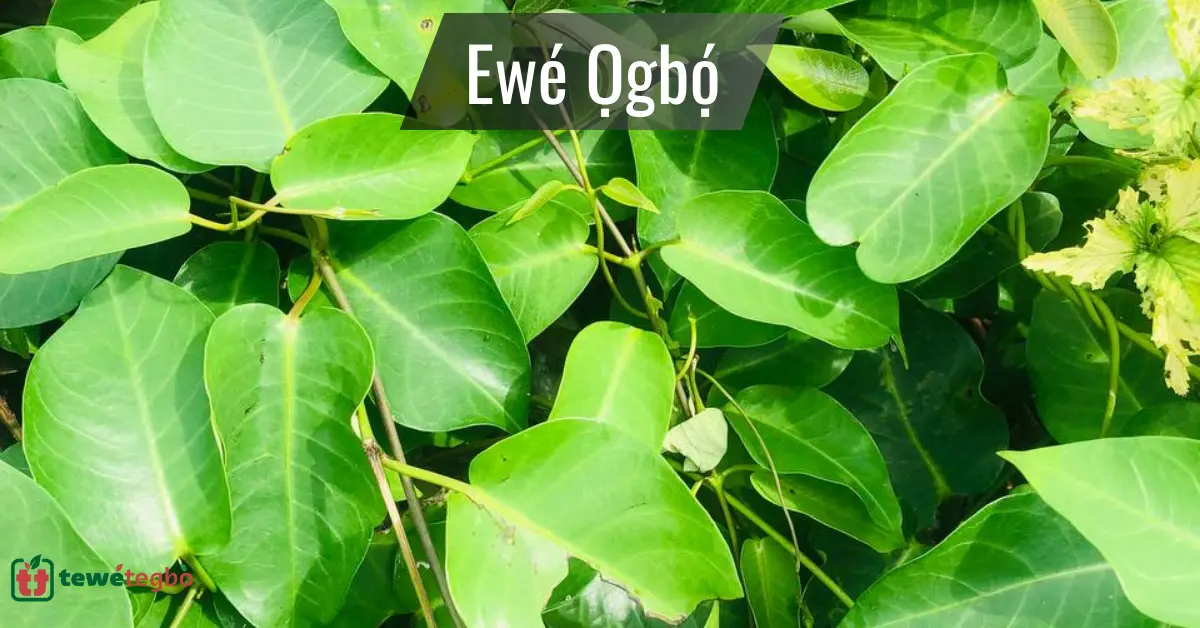
Ewe Ogbo Photo (Aworan Ewe Ogbo)
It is a climbing or creeping plant commonly found in West Africa, including Nigeria. It grows in bushes, open fields, and along fences.
The plant has:
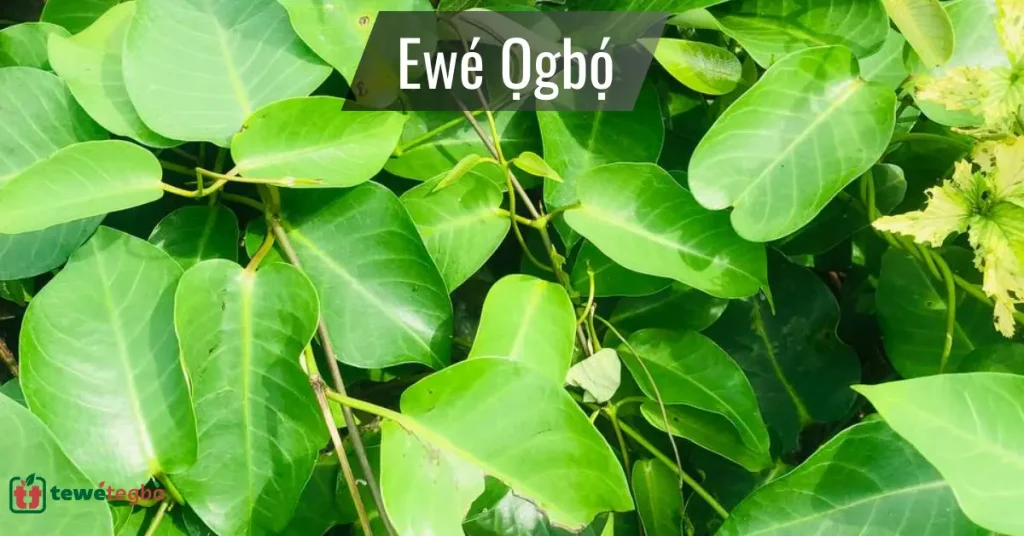
It is very important to identify the plant correctly before using it. Some leaves may look similar but are not the same.
If you are unsure, consult someone experienced in plant identification.
Ewe Ogbo in English (with Igbo and Hausa Names)
|
Category |
Info |
|---|---|
|
|
Yoruba: Ewe Ogbo Igbo: Mgbidimgbe / Otonta Hausa: Kwankwanin |
|
|
|
|
|
|
|
|
Bálẹ̀rẹ́ ìtàkùn (creeping or climbing ground plant) |
Iwulo Ewe Ogbo: Traditional Health Benefits & Medicinal Uses
Because Ewe Ogbo is a “Center Herb,” its power works best when it is guided with specific additions. In Yoruba traditional medicine, we call this “atọ́ka” (directing the herb).
To Support Healthy Blood (Ogun Eje)
Ewe Ogbo is traditionally used to help support the blood and overall strength. To guide its effects toward the blood, it is usually combined with a nutritious partner.
– The Direction: Squeeze the fresh leaves to get the juice.
– The Addition: Cook with poporo oka baba (sorghum) or epo agano or Mix with milk or malt.
– Why: These additions provide nutrients that may help the body maintain healthy blood levels, with the herb supporting the process.
To Relieve Body Pain (Ara Riro)
When the goal is to ease strong body aches, the herb is guided with other herbs or ingredients.
– The Direction: Boil the leaves.
– The Addition: Add Egbo Abo (Annona senegalensis root) or Eso Opele (Schrebera arborea seeds) or Ewe Ibepe (Pawpaw leaf) or Onika Marun or Ewe Ori.
– Why: These ingredients are traditionally known for their warming effect and pain-relieving qualities, which help Ewe Ogbo focus on the muscles and joints.
To Promote Deep Sleep (Airi Orun Sun)
To guide the herb to help the mind and body relax, you must sweeten and “cool” the preparation.
– The Direction: Blend the leaves with clean water and strain thoroughly.
– The Addition: Add a tablespoon of Pure Honey (Oyin Igan).
– Why: Honey helps carry the effects of the leaf to calm the mind and body.
To Support the Stomach and Digestion
For cases of passing blood in stool or internal heat in the stomach (oru inu), the herb is usually used in its pure form or with something that cools it down.
– The Direction: Use fresh juice squeezed from the leaves.
– The Addition: Sometimes taken with a pinch of native salt or simply on its own in a glass cup.
– Why: This helps the herb work directly on the stomach and intestines without being affected by sugars or fats.
The “Center Herb” Secret: > Remember, while Ewe Ogbo has these natural benefits, its “hearing” (o'un a wi fun ogbo ni ngbo) ability is strengthened by what you add. For example, adding honey directs it toward the nerves and sleep, while adding liquid nutrition like milk or poporo leaf (sorghum) directs it toward the blood.
How to Prepare and Preserve Ewe Ogbo
The way you handle the leaf determines if the “leaf will hear” you. Because it is a creeping herb (Ewe Itakun), it is hardy, but the important parts of the leaf can be affected by the way you handle it.
Fresh Juice (Cold Method)
For blood-boosting and sleep, the cold method is often preferred to keep the nutrients “alive.”
- Process: Wash the leaves to remove sand and insects. Squeeze the leaves by hand or blend with a small amount of water.
- Tip: Always sieve the juice with a fine net cloth to make it smooth and remove leaf bits.
Decoction (The “Hot” Method)
When pairing with hard roots like Egbo Abo or seeds like Eso Opele for pain, heat is used to release the benefits of the herbs.
- Process: Place the leaves and roots in a pot. Bring to a boil, then lower the heat and let it cook gently for 15–20 minutes.
- Storage: Traditionally, these herbal drinks are kept in a clay pot, but if you use a modern pot, make sure it is placed in a cool.
Preservation: How to Keep It Potent
Drying: If you cannot get fresh leaves daily, you can dry Ewe Ogbo. Once crispy, grind it into a powder.
Shelf Life: Freshly squeezed juice should be consumed within 24 hours or refrigerated for no more than 48 hours.
The Spiritual Significance of Ewe Ogbo (Asiri Ewe Ogbo)
In traditional Yoruba belief, every plant has a “spirit” or “inner consciousness.” Ewe Ogbo is unique because its name itself (Ọgbọ́) is a verb meaning “to hear.” This gives it a spiritual role to be seen as a messenger.
– The “Leaf of Communication”
Because of the expression “O’un a wí fún Ọgbọ́ ni Ọgbọ́ n gbọ́, O'un a wi fún Ọgbà ni Ọgbà n gbà“ this leaf is spiritually believed to be useful in preparations where a specific “command” or “intent” is needed.
- It is believed to act as a bridge, helping the user’s intentions “manifest” or be “heard” by the spiritual forces of nature.
– Favor and Attraction
In some traditional circles, Ewe Ogbo is used in preparations to ensure that one's requests are “heard” and accepted by others (e.g., in business or leadership). It is believed that just as the herb “hears”, it can help the world “hear” and favor the person using it.
⚠️ A Note on Spiritual Findings
Many people are always asking me for “Asiri Ewe Ogbo” or “Ewe Ogbo spiritual benefits” looking for deeper traditional secrets. While these practices are a core part of Yoruba culture, it is important to remember:
- Character First: Traditional elders always say that iwa ni oba awure (character is the greatest medicine). No herb can replace a good heart.
- Guidance: Spiritual uses of herbs are complex and usually require the guidance of an experienced God-fearing herbal expert to ensure the right balance is struck.
Frequently Asked Questions About Ewe Ogbo
What is the English name for Ewe Ogbo?
It is known as African Parquetina.
Can Ewe Ogbo be used for children?
In traditional practice, small amounts are given to children for blood-boosting.
Where can I find Ewe Ogbo?
It grows wild in Nigeria and can be found in most traditional herb markets like Bode market and Oje market in Ibadan, Mushin market in Lagos etc.
Still Curious? Here's How to Ask Me Directly on WhatsApp
Want to know if Ewé Ọgbọ́ is right for your condition or explore other Yoruba herbs that may help?
Or would you prefer my detailed Yoruba voice note or short video explanation (with real-life use cases, proper dosages, and a few hidden tips I can’t openly share here)?
👉 Just tap here to message me on WhatsApp. I’ll reply to you personally.
Let me reconnect you to nature’s pharmacy.